
Potty training refusal: What to do when your toddler won’t sit on the potty
If you've decided you're ready to potty train and your toddler has decided they are absolutely NOT sitting on that potty (thank you very much!)... you're in good company here.
Potty training refusal is one of the most common issues parents ask me about, and here's the first thing I want you to know: a toddler who won't sit on the potty is almost never being difficult on purpose.
More often, they're telling you something — that the potty still feels unfamiliar, that they don't love being told exactly when and how to use their own body, or that somewhere along the way this whole thing started to feel like pressure.
The good news is that all of those are workable, and none of them mean your child "just isn’t ready”.
Let's talk about why potty refusal happens, and my OT-recommended way to move through it.
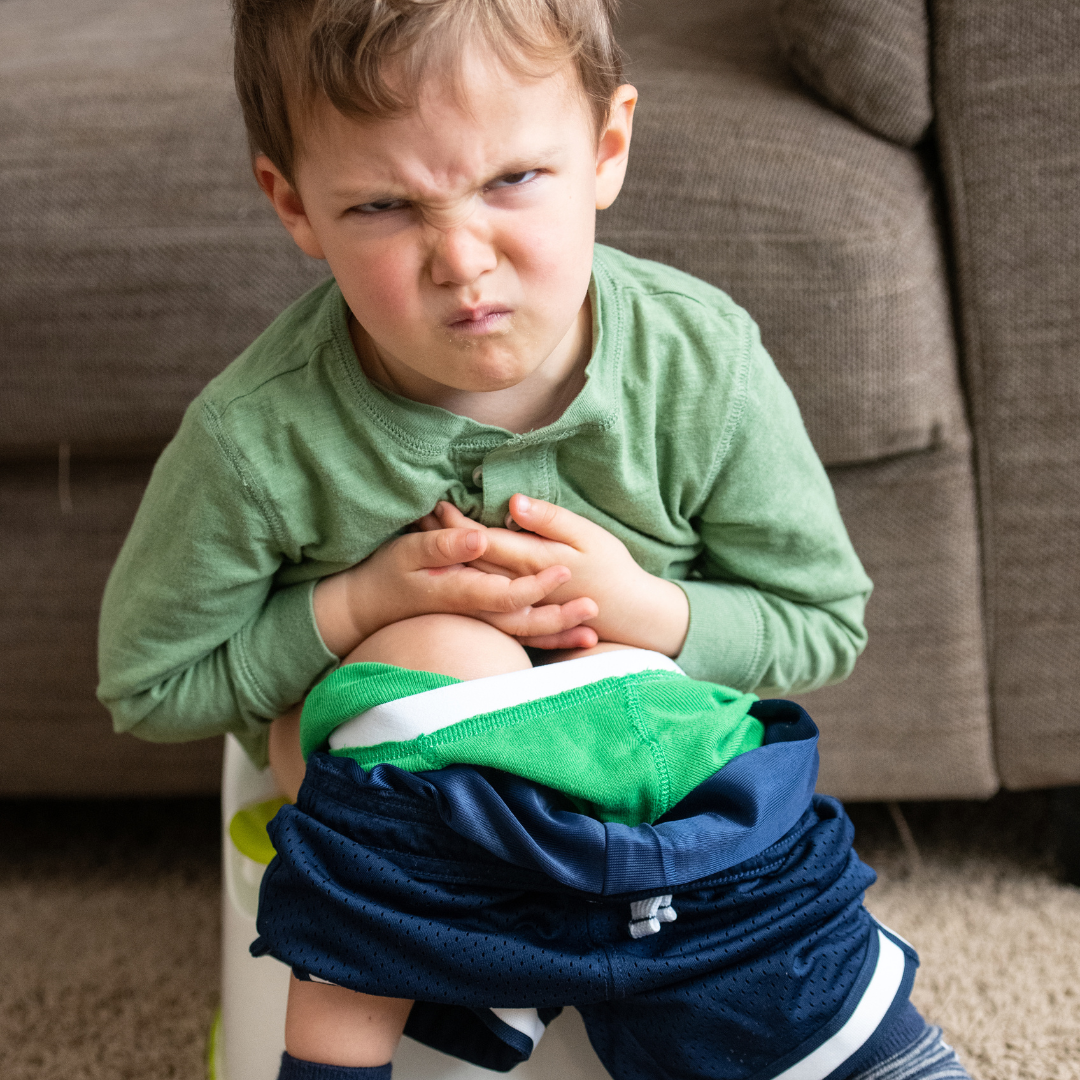
Why is my toddler refusing to sit on the potty?
Potty refusal usually comes down to one of a few things, and figuring out the underlying reason makes it so much easier to respond to. Here are some reasons why your child may refuse to sit on the potty:
It's new and unfamiliar. Your child has spent their entire life peeing and pooping in a diaper, and now there's this cold, strange, echoey thing you want them to sit on. It is completely normal for young children to be wary of new and unfamiliar things.
They've lost their sense of control. Toddlers crave control over their own bodies and their day, and few things feel more out of their control than being told when to sit and what to release. When the potty feels like something being done to them, a lot of kids dig in.
It started to feel like pressure. If sitting on the potty has come with a lot of reminders, hovering, or big reactions, your toddler may now associate the potty with stress. And stress and potty learning do not mix well!
Something felt scary once. Maybe they used to sit just fine, but one time they experienced something scary like a loud flush, a splash, falling in a little, or one uncomfortable poop. These can be enough to make a toddler decide the potty is off-limits for a while.
What to do when your toddler won't sit on the potty
None of these are about forcing. They're about lowering the pressure and rebuilding your child's comfort so sitting on the potty becomes their idea again!
Take the pressure all the way down. This is the most important one. If your child is actively resisting, back off formal prompts for a couple of weeks. If you haven’t yet officially removed diapers, keep the potty in the picture casually, and come back to it later. If you have, let them know it’s their job to know when their body has to pee or poop, and they can let you know. Then literally pretend you don’t care either way (even though you do..!) Pushing through hard refusal usually makes it worse, not better.
Let them watch you go. One of my favorite tips: let your child see you use the toilet and narrate it simply. "I'm pulling down my pants and sitting on the potty. I'm letting my pee come out. Now I wipe, pull up my pants, flush, and wash my hands." Watching a calm, normal grown-up do it takes the mystery out of it, especially if fear is a part of the problem.
Stop calling poop "yucky." We do this constantly, because a dirty diaper genuinely is unpleasant. But when we label pee and poop as gross, kids can start to feel like their body is gross. Try using neutral language instead: "Everybody poops. It feels good to let it out." Neutral and non-chalant is what we're going for.
Offer choice and control. Instead of "go sit on the potty," offer a choice that still moves things forward: "Do you want to bring a truck or a book to the potty?" or "Should we hop or tiptoe to the bathroom?" This gives your toddler the age-appropriate control they're craving while still getting to the same end result.
Make sitting itself low-stakes. Make sure they know it’s okay if they don’t actually let out any pee or poop. Letting them practice sitting while you read a book together tells their brain and body that the potty is a safe place to be.
Keep your reaction small. Big praise and big disappointment both raise the stakes, and toddlers can definitely feel that! Stay calm, warm, and matter-of-fact so the whole experience stays more neutral.
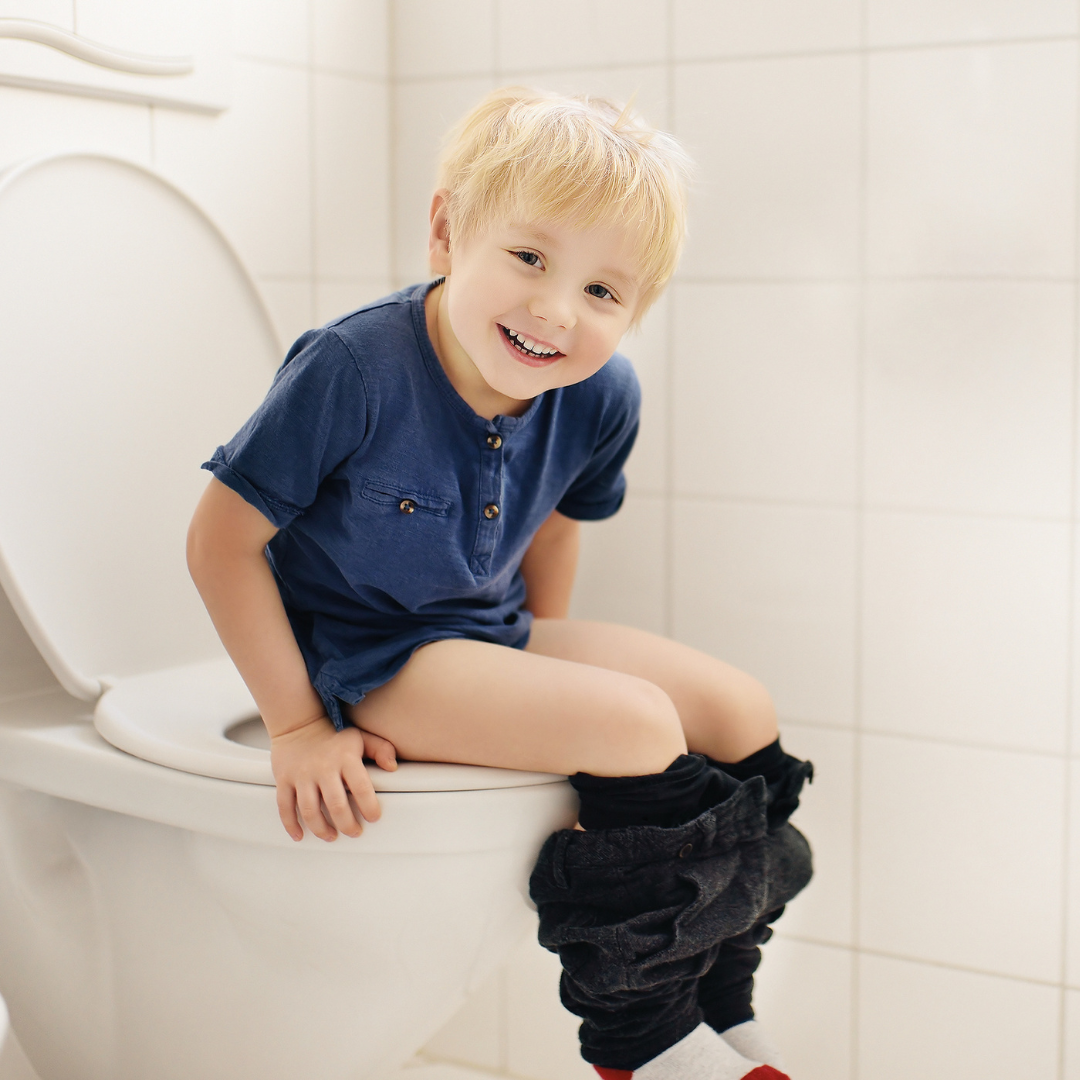
When to pause and try again later
If your child is heavily resisting despite all of this, that's your cue to take a real potty training break rather than powering through. Step back from formal training, keep the potty around with zero pressure, and revisit in a few weeks. Waiting a little is not falling behind, it actually will speed things up later. (If refusal shows up alongside pain, constipation, or straining, check in with your pediatrician to rule out anything physical first.)
FAQs about potty refusal
Should I physically force my toddler to sit on the potty? You can gently guide their body there in some cases, but don’t force them to stay there. Forcing tends to increase resistance and can turn the potty into a bigger source of stress.
My toddler was doing great and now refuses. What happened? A scare, a change in routine, a new sibling, illness, or too much pressure can all trigger new potty refusal. Go back to the low-pressure basics I outlined above and keep your reaction calm.
How long does potty training refusal last? For most kids it passes within a few days to a couple of weeks once the pressure comes off. If it lasts for weeks or months on end, despite doing all of the above, and/or or comes with pain, talk to your pediatrician.
If you’re going through potty refusal right now, I hope you know that you are not alone and it doesn’t necessarily mean you’re doing anything wrong. If you want an evidence-based, step-by-step plan that works with your child instead of against them, come check out the Rooted Potty Method — my routines-based approach to potty training without the power struggles. I’d love to support you inside!
Questions about potty refusal? Add a comment below!