
How to help your toddler actually release their pee on the potty
If you’ve been here before, then you know how hard it is. Let’s paint the picture: Your toddler is sitting on the potty. They've been sitting there for five whole minutes. You know they have to go (they've been doing the dance, grabbing themselves, the whole thing) And yet… nothing.
Sound familiar?
This is one of the most common potty training struggles I hear about, and it can feel incredibly frustrating – both for you and for your child. But here's what I want you to know: your child is not being stubborn or defiant. In many cases, they genuinely don't know how to release their pee on command. The muscular coordination involved in relaxing the pelvic floor and letting go is actually a learned skill, and some kids just need a little more support getting there.
The good news is that there are some really simple, OT-informed strategies you can use to help your child's body relax and release. Let's walk through them here.
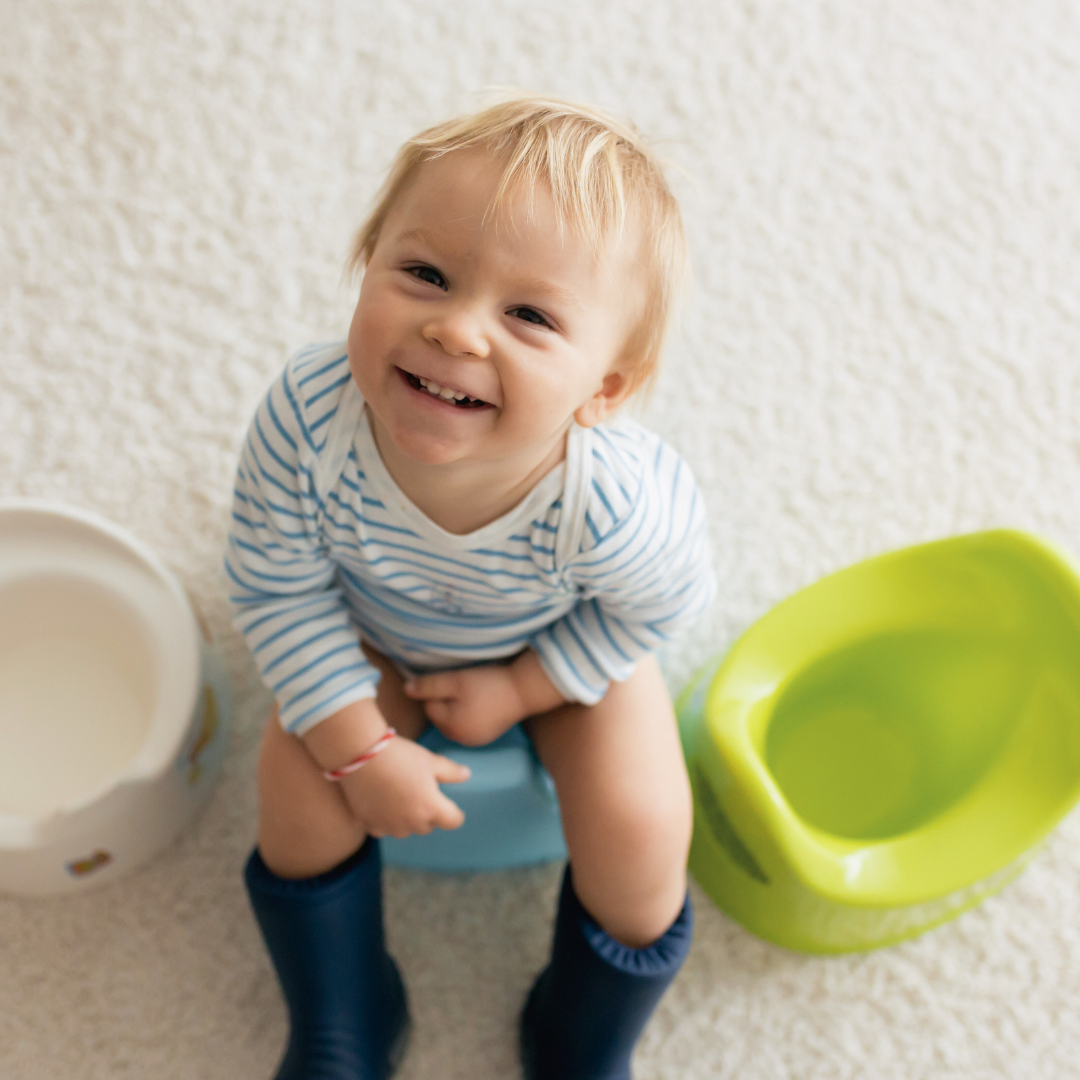
Why some toddlers struggle to release on the potty
Before we get into the strategies, it helps to understand why this happens in the first place.
For most of their little lives, your child has been peeing in a diaper — a warm, snug, familiar environment. The act of releasing while sitting upright on a hard, cold potty (with a parent staring at them, waiting..…) is a completely new and sometimes overwhelming experience. It requires a level of body awareness and voluntary muscle control that takes time to develop.
Some kids also hold on simply because they're tense, nervous, distracted, or just not sure what they're "supposed" to do with their body. When we're tense, our pelvic floor muscles tighten. That's the opposite of what needs to happen to release urine.
So the goal with all of the strategies below is the same: help your child's body and nervous system relax enough to let go.
Strategies to try while your child is sitting on the potty
💨 Blow Bubbles or Pretend to Blow Out Candles
This is one of my all-time favorite OT tricks!
When we exhale slowly and deeply (like blowing out birthday candles or blowing a big bubble), our entire body softens. The breath activates the parasympathetic nervous system – the "rest and digest" mode — which helps the pelvic floor muscles relax. That relaxation is exactly what needs to happen for pee to release.
Keep a small bottle of bubbles in your bathroom and make it a fun, silly part of the potty routine. You can even do it together! "Okay, let's both blow a BIG bubble and see what happens." No pressure, just breathing and playing. You can also hold up your fingers and pretend they are birthday candles and have them blow them out as you bend them down one at a time. Whatever gets them blowing!
⏱️ Set a Timer
One of the biggest mistakes parents make during potty training is hovering and waiting. (I get it, you just want them to GO!) But from your child's perspective, being watched and waited on can create performance anxiety that makes releasing even harder.
Setting a timer takes the pressure off both of you. Tell your child: "We're going to sit until the timer goes off, and then we'll try again later!" This shifts the expectation from "you need to pee RIGHT NOW" to "we're just hanging out for a bit." That shift in pressure can make a surprising difference.
A visual timer (like this Time Timer) works especially well for toddlers who are still developing their sense of time.
🎵 Sing a Song Together
Singing, especially slow, familiar songs, has a naturally regulating effect on the nervous system. It encourages rhythmic breathing, reduces tension, and gives your child something to focus on other than the pressure of performing.
Pick one or two short songs that become your "potty songs." Over time, the song itself becomes a cue to your child's body that it's time to relax and release. Routines and predictability are incredibly powerful for toddlers!
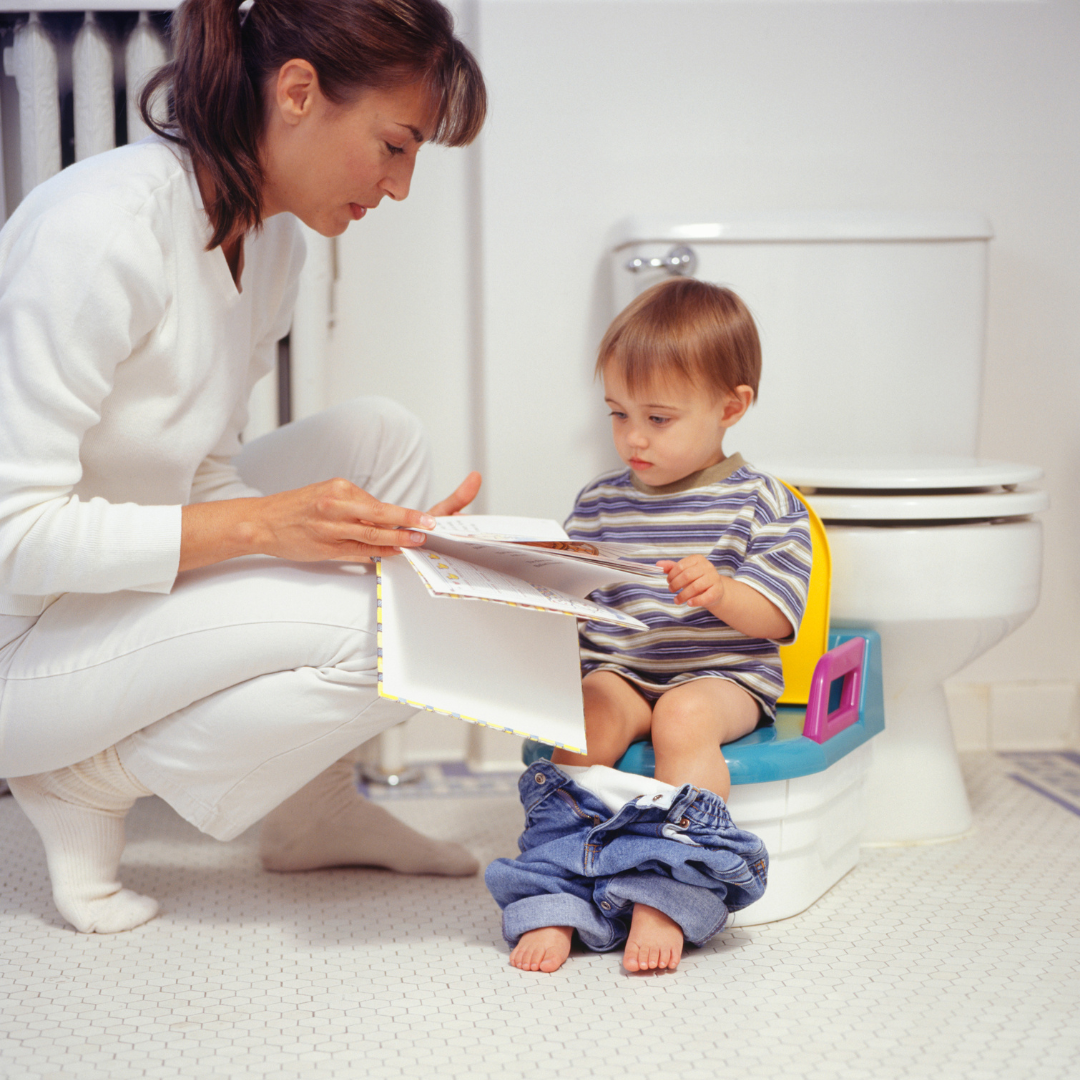
📖 Read a Book on the Potty
Distraction is genuinely helpful here. When a child is focused on a book (or a short song, or a silly game), they're no longer thinking about the act of peeing… and that shift in focus is often exactly what their body needs to let go naturally.
Keep a small basket of books in the bathroom specifically for potty time. Short, engaging books work best — board books, lift-the-flap books, or anything with lots of pictures to point at and talk about.
🚿 Run the Sink or Bath Water
This one is a classic for a reason: for many children (and plenty of adults, let's be honest!), the sound of running water provides an auditory cue that makes releasing pee feel more natural. It's a sensory trigger that can help the body connect the dots.
Turn on the faucet while your child is sitting on the potty, or run a little bit of warm bath water. Keep it low-key and don't make a big deal of it. Just let the sound do its work!
Strategies to try away from the potty
Supporting your child's potty training success isn't just about what happens on the toilet. A lot of the work happens in between potty-sits, too!
📚 Read Books About the Potty
Potty training books are wonderful for building familiarity and reducing anxiety around the whole process. When children see characters going through the same steps they're learning, it helps normalize the experience and gives them language to understand what their body is doing.
There are so many great options out there, and reading them during regular story time (not just during potty sits) keeps it light and low-pressure. A bunch of my favorite books are linked HERE!
🗣️ Use a Social Story
A social story is a short, simple story written specifically about your child going through the potty training process. It walks through the steps in order: feeling the urge, walking to the potty, sitting down, releasing pee, wiping, flushing, washing hands.
Social stories are a powerful tool because they help children mentally rehearse what's expected of them. You can make one together using photos of your actual bathroom and toilet, or draw simple pictures with your child. Reading it daily (and especially before potty sits) can significantly reduce anxiety and help their body learn what comes next.
A Quick Recap: Your Pee-Release Strategy Toolkit
While sitting on the potty:
Blow bubbles or pretend to blow out candles (slow exhale = body relaxation)
Set a timer to take the pressure off
Sit with them and rub their back
Sing a familiar song together
Read a book to distract and relax
Run the sink or bath water for an auditory cue
Away from the potty:
Read potty training books during story time
Create and read a personalized social story daily
Remember: you're not trying to force anything. You're creating the conditions that help your child's body feel safe enough to let go. Patient, low-pressure, and consistent wins every time!
Ready for More Step-by-Step Potty Training Support?
If you're in the thick of potty training and want to be guided through the entire process — not just this one piece — I'd love to support you inside my potty training program!
This program walks you through exactly what to do, step by step, in real time — so you're not piecing it together from a dozen different Google searches at 11pm. As a pediatric OT and mom of two, I'll be right there with you.
Questions about helping your toddler release on the potty? Drop them in the comments below — I truly read and respond to every single one!